

San Diego does not get much rain, but when it does, it often arrives in a few intense storms between late fall and early spring. Homes that go months without a drop of rain can be caught off guard by clogged gutters, roof leaks, overwhelmed drainage, and flooding.
The January 2024 storm was a reminder: heavy rain flooded homes in San Diego neighborhoods such as Southcrest and Shelltown, including properties that had never flooded before. And with forecasters expecting a strong El Niño this winter, preparation matters even more. See El Niño 2026-27: what San Diego homeowners should expect.
Here is how to get your San Diego County home ready for rainy season, what to do during a storm, and what to do if your home floods.
Learn more in does homeowners insurance cover water damage in San Diego.
Do not enter flooded areas where water may be in contact with outlets, appliances, or the electrical panel. Watch for sagging ceilings and slippery floors.
Outdoor floodwater is considered Category 3, or black water, because it can carry sewage, chemicals, and debris. Avoid contact, wear protective gear if you must enter, and keep children and pets away. Learn more about our sewage and black water cleanup.
Tarp a damaged roof, block a leaking door, or shut off the water if a pipe failed. Only do this when it is safe.
Photograph and video the water, damaged areas, and belongings before cleanup begins.
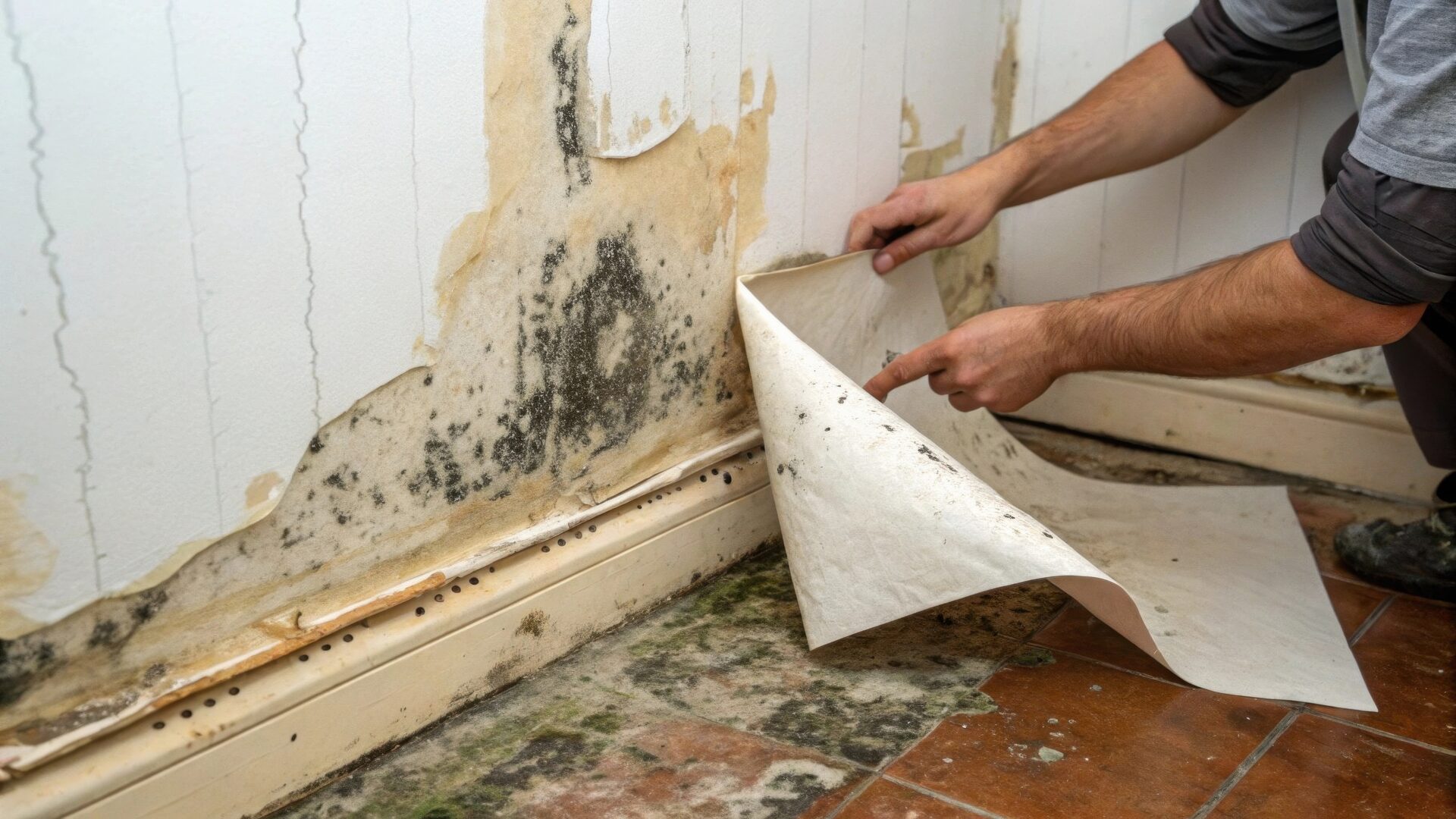
Fast water extraction and structural drying limit damage and reduce the risk of mold. Porous materials touched by floodwater, such as carpet, pad, drywall, and insulation, usually need to be removed.
Notify your carrier or flood insurer and start a claim. Keep receipts for emergency repairs and mitigation.
For a full step-by-step guide, see what to do first after water damage in San Diego.
Most of San Diego's rain typically falls between late fall and early spring, with many of the biggest storms arriving in winter.
Many policies cover certain storm damage, such as wind damage to a roof and resulting water damage. Flooding from rising water is generally excluded and requires separate flood insurance.
As soon as it is safe. The EPA recommends drying water-damaged materials within 24 to 48 hours to help prevent mold growth. See how quickly water damage can lead to mold.
Small amounts of clean rainwater from a leak may be manageable. Floodwater from outside is contaminated and usually requires professional cleanup, removal of porous materials, and disinfection.
A few hours of prep this fall, from cleaning gutters to reviewing your insurance, can save you from a much bigger problem when winter storms arrive. If water does get in, acting quickly makes the biggest difference.
Crisp Restoration provides 24/7 storm and flood damage restoration throughout San Diego County, including San Diego, Chula Vista, National City, La Mesa, El Cajon, Santee, Carlsbad, and Oceanside. If your home floods, contact our team for fast water removal, drying, and restoration.
2026-10-222026-10-22


© Crisp Restoration 2026. All Rights Reserved.