

.webp)
One of the first questions after discovering water damage is often whether homeowners insurance will cover the loss. The answer depends heavily on what caused the damage, the terms of the policy, and the circumstances surrounding the event.
Many policies distinguish between sudden and accidental water damage and damage caused by flooding, long-term leaks, maintenance issues, or other excluded causes. Because policies vary, your insurance carrier or licensed insurance professional is the best source for determining coverage for a specific claim.
A burst pipe in San Diego, washing machine leak in Chula Vista, roof leak in El Cajon, or appliance failure in Carlsbad can each create a different insurance and restoration scenario.
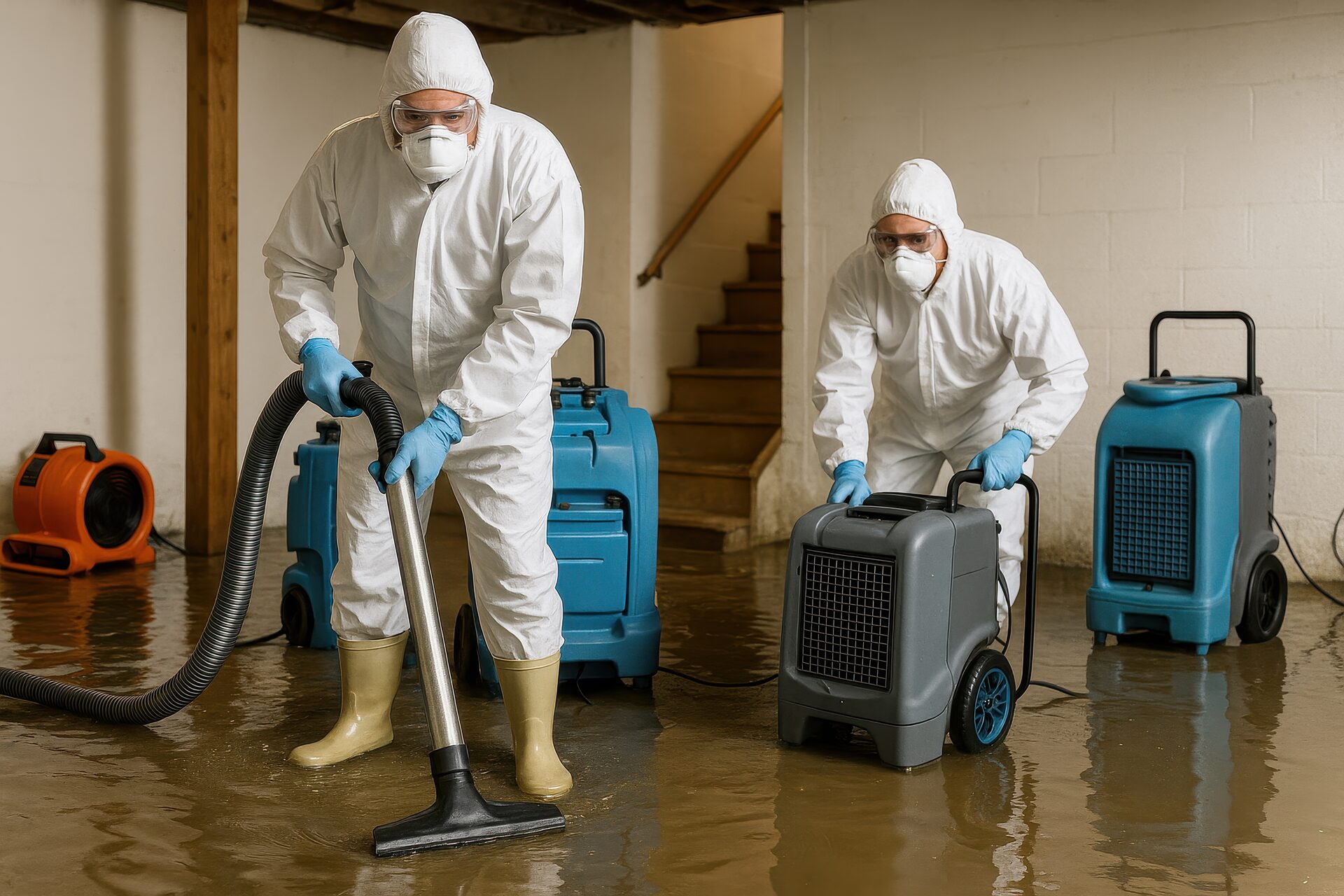
The restoration scope may include emergency water extraction, burst pipe cleanup, appliance leak cleanup, structural drying, demolition, and reconstruction.
Homeowners policies commonly provide some level of coverage for certain sudden and accidental events, subject to the policy's terms, limits, and exclusions.
Examples may include damage associated with:
Coverage for the damaged plumbing component itself can differ from coverage for resulting damage to the home.
Long-term leaks can be more complicated. Damage that develops gradually because of ongoing seepage, deferred maintenance, or a problem that should have been corrected earlier may be treated differently than a sudden loss.
For example, a pipe that suddenly breaks can present a different coverage question than a leak that has been occurring behind a wall for months.
In insurance terminology, external flooding is generally treated differently from a burst pipe or appliance leak inside the home. Standard homeowners policies typically do not provide the same coverage for flood events as they do for certain internal water losses.
Homeowners concerned about flood exposure should review whether separate flood insurance is appropriate for their property.
When safe, take photos and videos before damaged materials are moved or removed. Document the source of the water if it is visible, affected rooms, damaged belongings, and any emergency measures taken.
Emergency mitigation may still need to begin quickly to prevent additional damage. Keep invoices, photographs, equipment records, and other documentation related to the loss.
Insurance policies often require policyholders to take reasonable steps to protect the property from further damage. That can include shutting off an active water source and arranging for emergency mitigation.
This does not mean homeowners should attempt unsafe cleanup. Standing water near electricity, contaminated water, or structural damage should be handled with appropriate precautions.
A restoration company can document affected materials, moisture readings, equipment usage, demolition, and other work performed. This information can help establish the scope of the restoration project.
However, the restoration company does not determine whether your insurance policy provides coverage. Coverage decisions are made under the policy by the insurance carrier.
Homeowners insurance may cover certain types of sudden and accidental water damage, but coverage varies significantly by policy and cause of loss. Flooding, long-term leaks, and maintenance-related damage may be treated differently.
If your San Diego County home has experienced water damage, Crisp Restoration can help assess the affected areas, document the restoration work, and begin the mitigation process while you communicate with your insurance provider.


© Crisp Restoration 2026. All Rights Reserved.
.svg)


.webp)
