
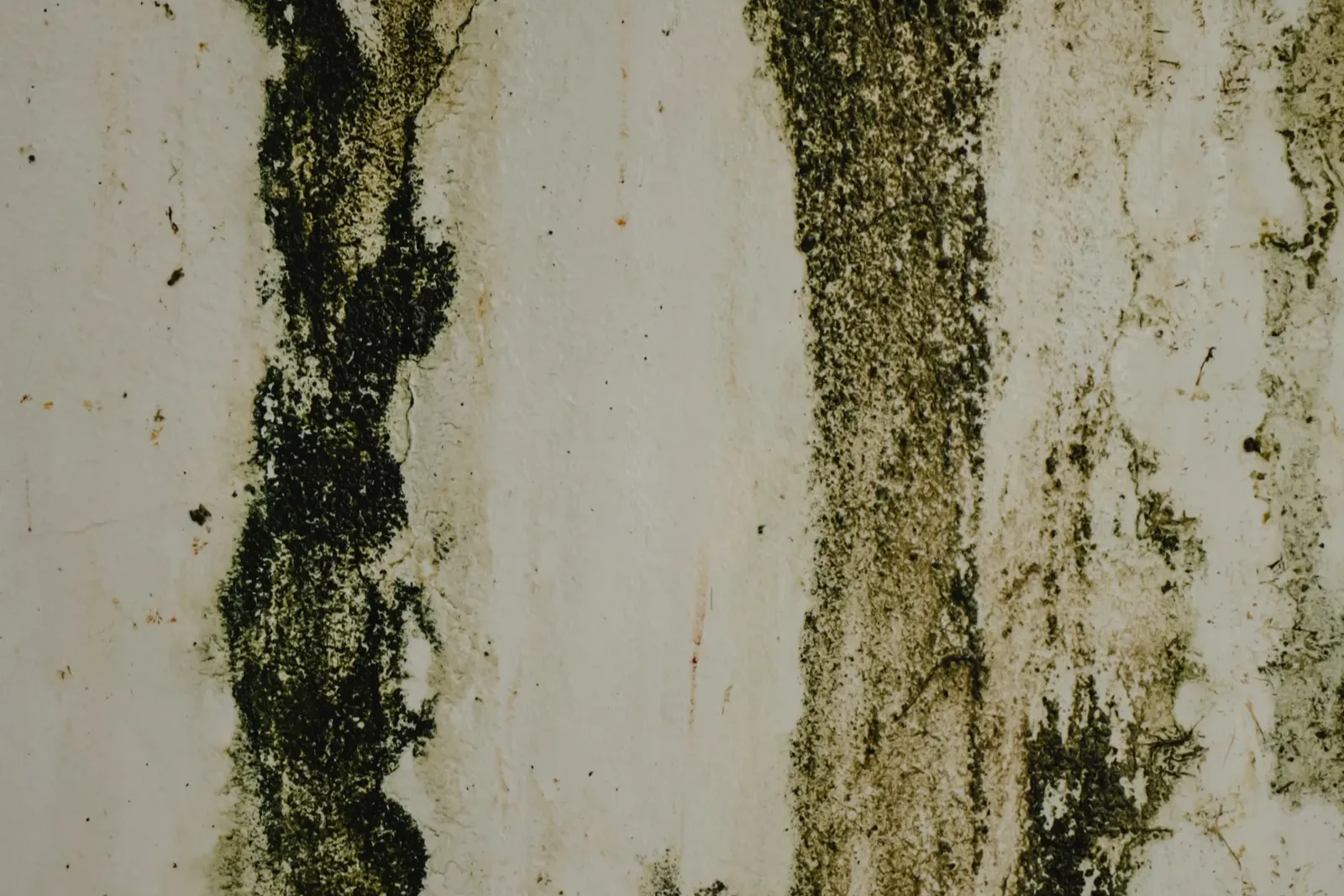
After a leak or flood, the water you can see is usually cleaned up first. The mold you cannot see is what causes problems later. Mold often starts in hidden places such as behind drywall, under flooring, inside cabinets, and in attics, where moisture lingers long after a room looks dry.
This guide covers the warning signs San Diego County homeowners should watch for after water damage, where hidden mold most often grows, the common health risks, and when it is time to call for home mold remediation.
Hidden mold rarely announces itself with visible spots right away. These are the most common early signs:
None of these signs alone confirms mold, but any of them after a water event is a good reason to have the area checked.
Mold in HVAC systems deserves its own attention. See mold in your HVAC and air ducts.
San Diego's dry, sunny reputation leads many homeowners to assume mold is not a concern. In reality, coastal humidity from the marine layer in areas like Pacific Beach, La Jolla, Del Mar, and Oceanside slows natural drying. Many homes also have slab foundations where slab leaks go unnoticed, and winter storms bring roof and window leaks. When water gets into a wall or under a floor, the climate outside does not dry it.
According to the CDC, damp and moldy indoor environments can cause symptoms in some people, including:
People with asthma, allergies, chronic lung conditions, or weakened immune systems may react more strongly. Water damage can also carry other risks: contaminated water from sewage backups or floodwater, slip hazards, and electrical hazards. If anyone in your home has symptoms you think are related to mold or water damage, talk to a medical professional.
A professional inspection looks for moisture first, because moisture is what makes mold possible. Common tools include:
Mold sampling can help in some situations, such as when there is a musty odor but no visible growth. The EPA notes that if mold is visible, sampling is usually not necessary to decide on cleanup.
The EPA suggests that small mold problems, generally less than about 10 square feet, can often be cleaned by homeowners once the moisture problem is fixed. Call a professional when:
Not sure what remediation involves? Read mold remediation vs. mold removal: what's the difference.
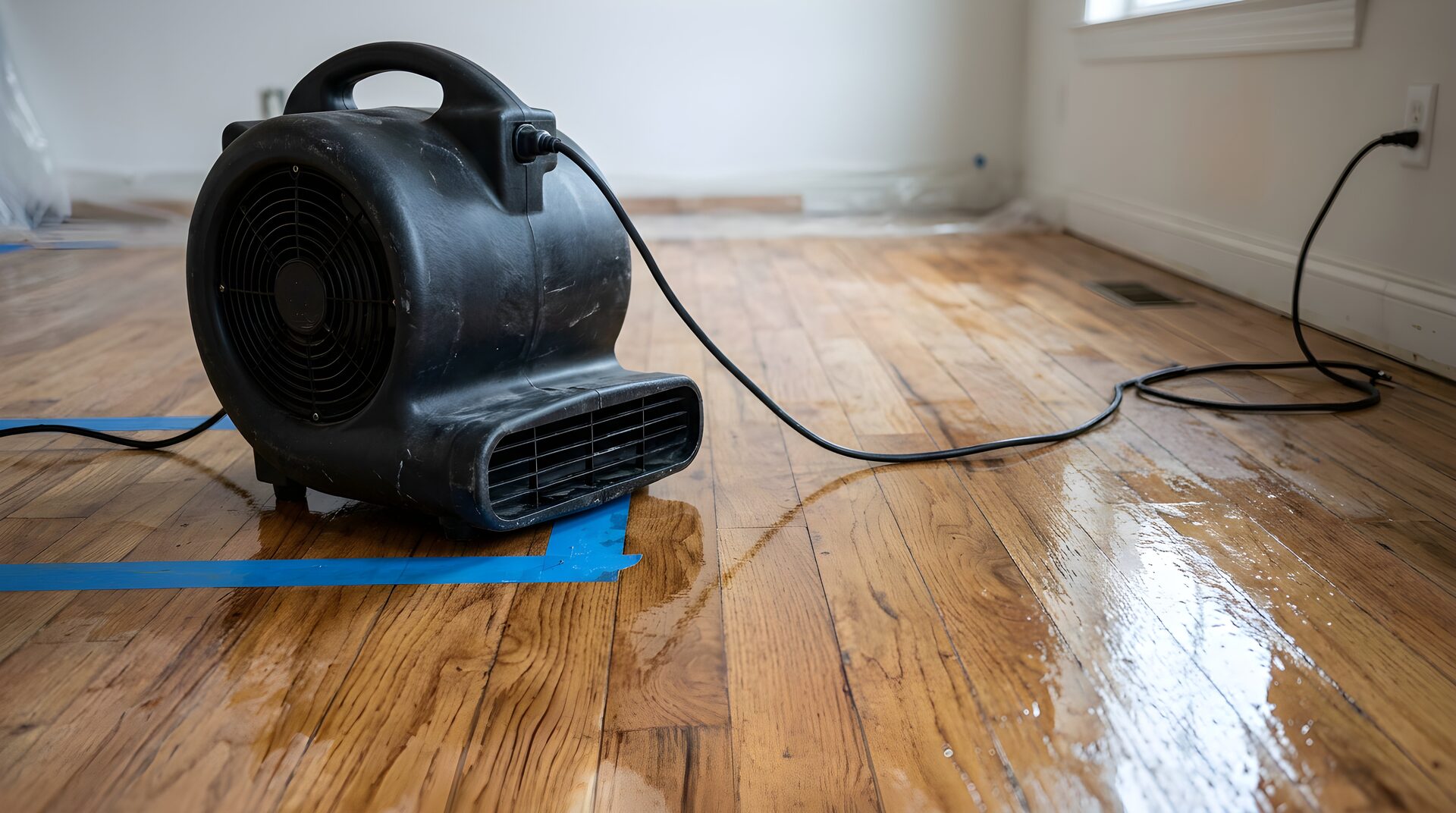
The EPA recommends drying wet materials within 24 to 48 hours to help prevent mold. Visible growth may take longer to appear, and hidden growth may never be visible from the room side. See how quickly water damage can lead to mold.
Often, yes. A persistent musty odor is one of the most common signs of hidden mold.
Yes. Mold can grow on the back side of drywall and inside wall cavities without showing on the painted surface. Learn more in does wet drywall always need to be replaced.
Color alone does not tell you which type of mold is present or how harmful it is. The CDC recommends removing mold growth regardless of type.
Hidden mold after water damage usually shows up as a smell, a stain, or a change in your walls and floors before it shows up as visible growth. Paying attention to those early signs and addressing moisture quickly is the best way to protect your home and your health.
Crisp Restoration provides moisture assessment, structural drying, and mold remediation throughout San Diego County, including San Diego, Chula Vista, La Mesa, El Cajon, Santee, Escondido, Carlsbad, and Oceanside. Contact us to schedule an inspection.
2026-11-052026-11-05


© Crisp Restoration 2026. All Rights Reserved.