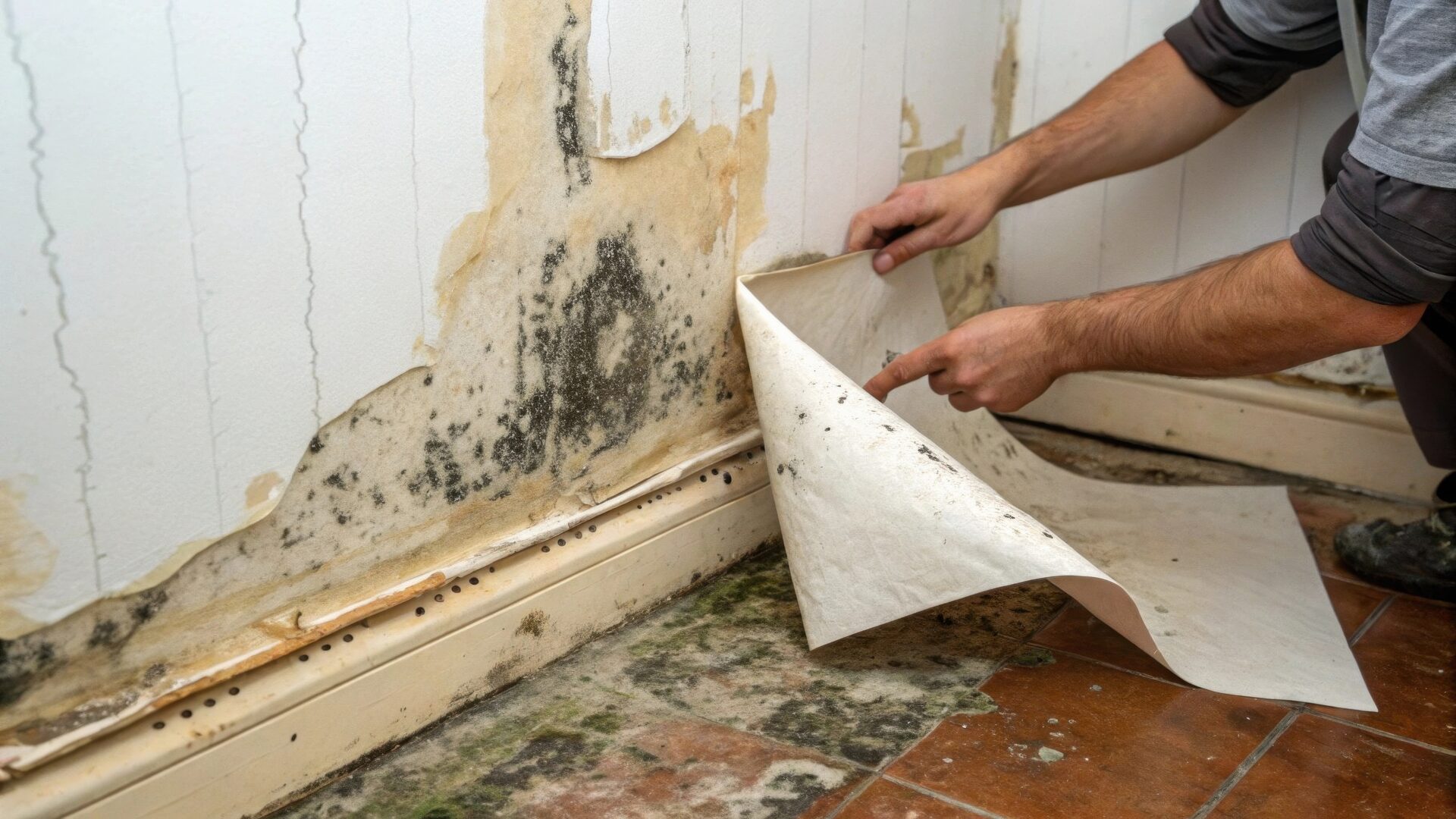


A sewage backup is one of the most stressful types of water damage a homeowner can face. Wastewater coming up through a floor drain, toilet, tub, or shower carries bacteria and other contaminants that make it a health hazard, not just a mess.
The most important things to know: keep everyone away from the affected area, stop using water in the house, do not try to clean it up with household cleaners, and call a professional sewage cleanup company as soon as possible.
Crisp Restoration provides sewage and black water cleanup across San Diego County, including San Diego, Chula Vista, La Mesa, El Cajon, Santee, Rancho Peñasquitos, Scripps Ranch, Carlsbad, and Oceanside.
Common causes of sewage backups in San Diego County homes include:
The restoration industry groups water damage into three categories based on contamination level. The category determines how the cleanup is handled.
Category 3 water requires protective equipment, removal of most porous materials it touched, and thorough cleaning and disinfection of everything that remains.
Raw sewage can contain bacteria, viruses, and parasites that cause gastrointestinal illness, skin infections, and other health problems. Children, older adults, pregnant people, and anyone with a weakened immune system or open wounds are at higher risk. If someone in your home has contact with sewage and feels sick, contact a medical professional.
Close off the affected area. Do not walk through sewage, and keep children and pets out of the space entirely.
Stop flushing toilets, running faucets, and using the dishwasher or washing machine. Every gallon that goes down the drain can add to the backup.
If sewage is near outlets, appliances, or electrical equipment, shut off power at the breaker only if you can reach the panel without standing in water.
A plumber can clear the blockage and identify whether it is in your line. If neighbors are also having backups, the problem may be in the public sewer main; contact your city's wastewater or sewer department. In many San Diego County cities, property owners are responsible for the sewer lateral running from the house to the main.
Take photos and video of the affected areas, damaged belongings, and the source of the backup if visible. This helps if you file an insurance claim.
Professional cleanup should start as soon as possible. The longer sewage sits, the farther it wicks into drywall, flooring, and subfloors, and the more materials will need to be removed.
Sewer backups are often excluded from standard homeowners policies unless you have a water backup endorsement. Check your policy and notify your carrier. Learn more in does homeowners insurance cover water damage in San Diego.
Yes. Sewage is a health hazard, and the longer it sits, the more materials it contaminates. Professional cleanup should begin as soon as possible.
If the backup is small and contained to one area that can be closed off, some families can stay. For large backups, backups affecting living areas, or households with young children, older adults, or anyone with health concerns, staying elsewhere until cleanup is complete is often the safer choice.
Carpet and pad contaminated by sewage generally need to be removed and replaced. Hard surfaces like tile, sealed concrete, and some hard flooring can often be cleaned and disinfected.
Extraction and removal of contaminated materials often happen in the first day. Drying commonly takes several more days, followed by reconstruction. The timeline depends on how large the affected area is.
It depends on where the blockage occurred and your insurance coverage. Blockages in the private sewer lateral are generally the property owner's responsibility, while main line issues may involve the city. Check your homeowners policy for a water or sewer backup endorsement.
A sewage backup requires fast, careful action. Keep people away, stop using water, document the damage, and get professional help started quickly to limit health risks and damage to your home.
Crisp Restoration provides 24/7 sewage and black water cleanup throughout San Diego County. Our team safely removes contaminated water and materials, disinfects affected areas, and dries your home so it is safe and livable again. Contact us for immediate help.
2026-10-262026-10-26


© Crisp Restoration 2026. All Rights Reserved.