

.webp)
When a home experiences water damage, homeowners may hear terms such as water extraction, mitigation, remediation, drying, and restoration. Two of the most common are water mitigation and water damage restoration.
Although the terms are sometimes used interchangeably, they describe different parts of getting a damaged property back to normal.
For homeowners in San Diego, El Cajon, Santee, Poway, Chula Vista, Carlsbad, and Oceanside, the job may involve both emergency water mitigation and later reconstruction.
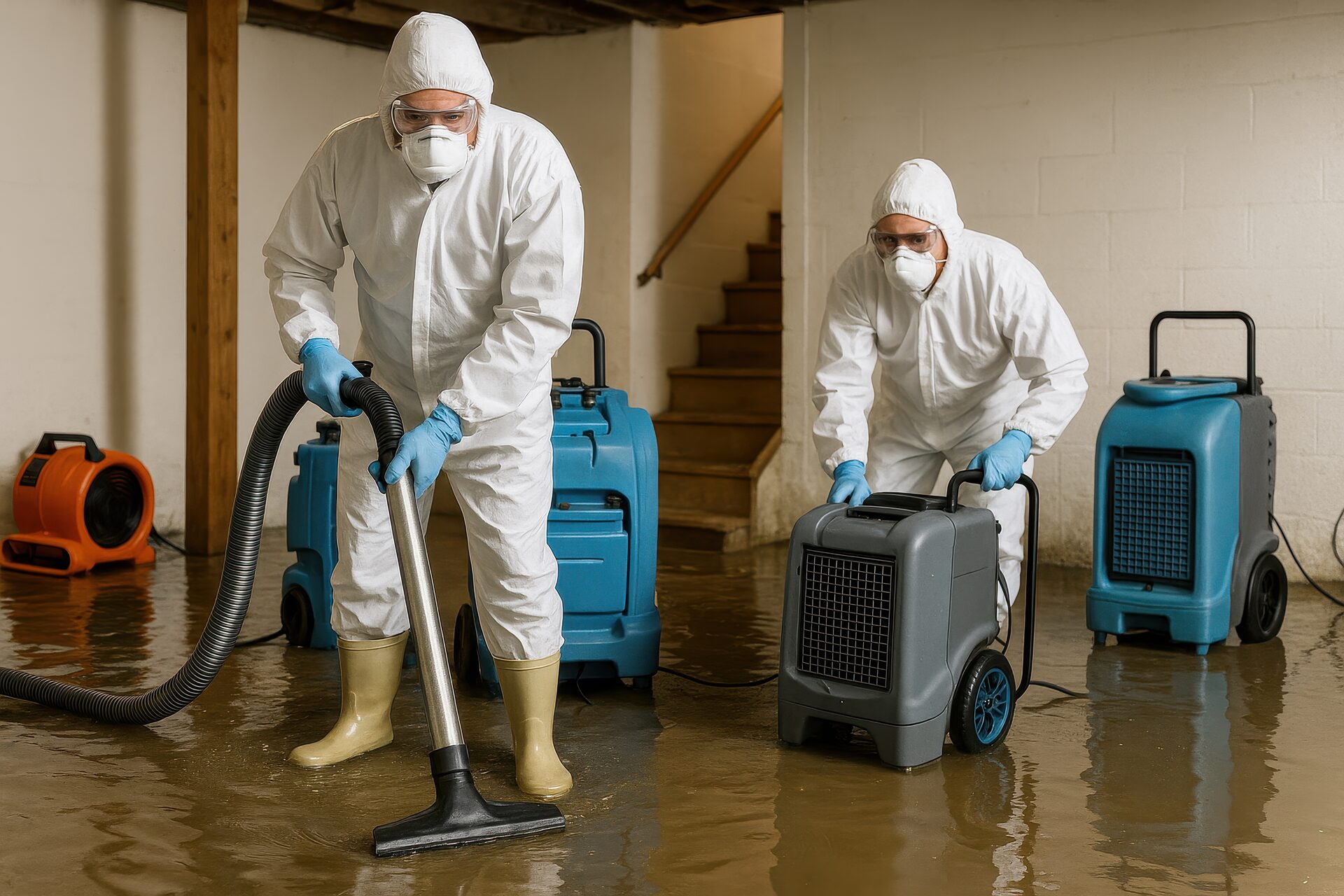
A complete project can include emergency water extraction, flood cleanup, structural drying, selective demolition, contents protection, and reconstruction.
Water mitigation focuses on stopping or limiting additional damage after a water loss. The immediate objective is to stabilize the property and address wet materials before the situation becomes more extensive.
Mitigation can include:
The exact process depends on the source of the water, how long materials have been wet, and what parts of the structure are affected.
Restoration generally refers to repairing or rebuilding the property after mitigation and drying have been completed.
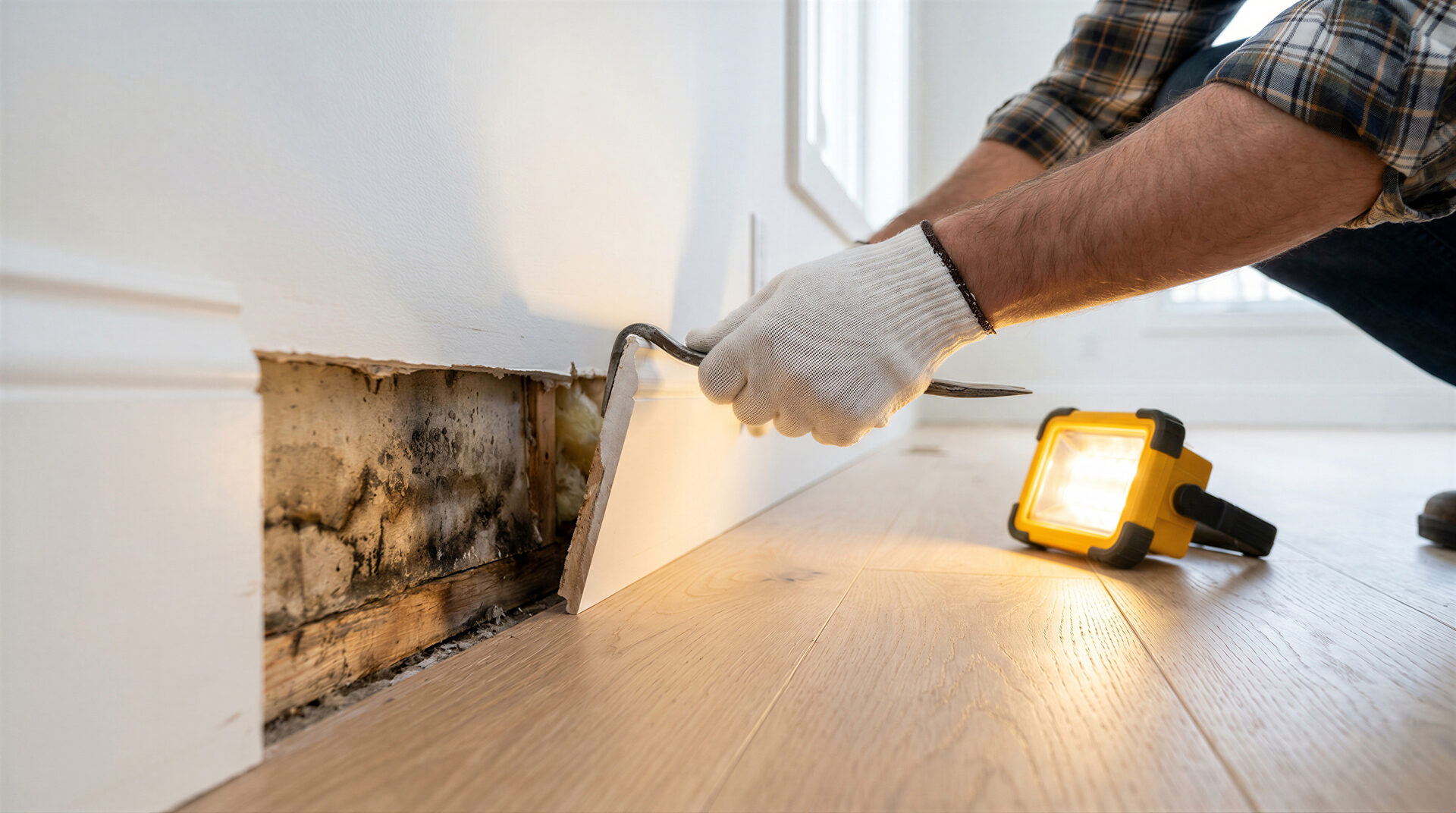
Depending on the loss, restoration may include replacing drywall, installing flooring, repairing trim, painting, rebuilding cabinetry, or completing other repairs needed to return the home to its pre-damage condition.
A smaller loss may require little reconstruction. A larger loss can involve multiple trades and a more extensive repair process.
Repairing a home before it is properly dried can create additional problems. New drywall, flooring, or finishes should not simply be installed over materials that still contain excessive moisture.
A typical sequence may look like:
Not every project follows the exact same sequence, but controlling the water and moisture is generally the priority.
Some restoration companies provide both mitigation and reconstruction, while others specialize in only part of the process. Having one company coordinate both phases can simplify communication, but homeowners should still understand what work is included in the scope.
Ask whether the company is handling emergency mitigation, structural drying, repairs, or the complete project.
The timeline depends on the size and complexity of the loss. Drying may take several days, while reconstruction can range from minor repairs to a much longer project.
Factors include how much water entered the home, which materials were affected, whether demolition is necessary, access to damaged areas, and the scope of repairs.
Water mitigation is about limiting damage and drying the property. Water damage restoration is about repairing what was damaged and returning the home to usable condition. Both can be important parts of recovering from a significant water loss.
Crisp Restoration serves San Diego County with emergency water extraction, structural drying, water mitigation, and water damage restoration services designed to move a property from the initial loss through the restoration process as efficiently as possible.


© Crisp Restoration 2026. All Rights Reserved.
.svg)


.webp)
