

.webp)
When water enters a home unexpectedly, cost is naturally one of the first concerns. Unfortunately, there is no single price that accurately represents every water damage restoration project in San Diego.
A small plumbing leak affecting one easily accessible area can require a very different scope than a water loss that affects multiple rooms, flooring, cabinets, ceilings, or structural materials. Understanding what drives restoration costs can help homeowners evaluate an estimate more effectively.
Costs can differ significantly between a small appliance leak in La Mesa, a burst pipe in Chula Vista, sewage cleanup in San Diego, or a multi-room water loss in Carlsbad or Oceanside.
Typical cost categories can include emergency water extraction, flood cleanup, sewage cleanup, structural drying, selective demolition, contents handling, and reconstruction.
The amount of property affected is one of the biggest cost factors. A small bathroom loss may require limited extraction and drying, while water that spreads through several rooms can require additional labor and equipment.
Square footage matters, but so does the number and type of materials involved.
The source of the water can affect the required cleanup procedures. A clean-water plumbing loss is handled differently from a drain or sewage backup involving contamination.
More contaminated water may require additional protective measures, material removal, cleaning, and disposal.
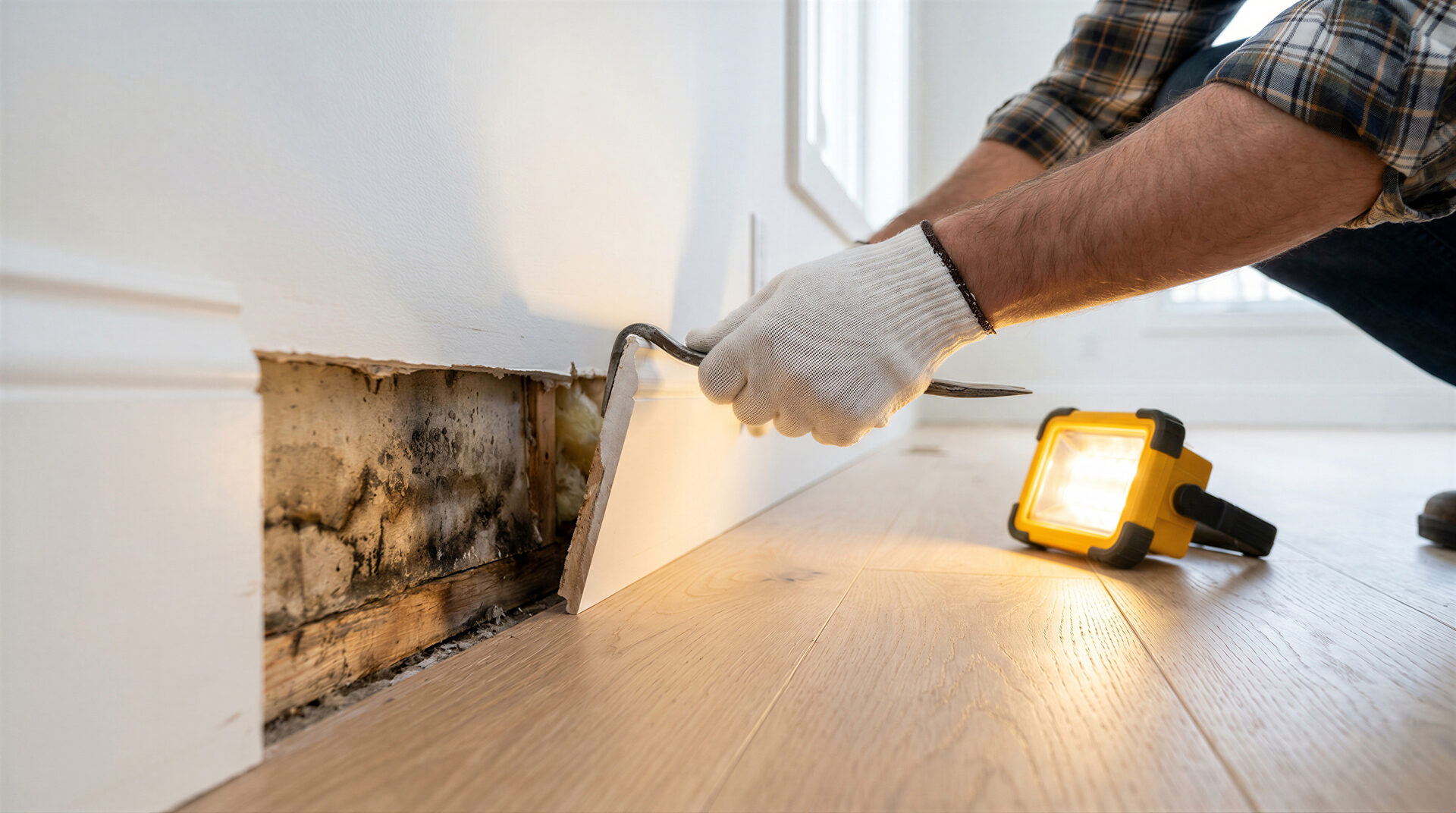
Different building materials respond differently to water.
The scope may change when water affects:
Some materials can be dried and restored, while others may require removal and replacement.
A water loss discovered quickly can sometimes be contained to a smaller area. Water that remains unnoticed may continue spreading through porous materials and concealed spaces.
Longer exposure can increase the amount of demolition, drying, cleaning, or reconstruction required.
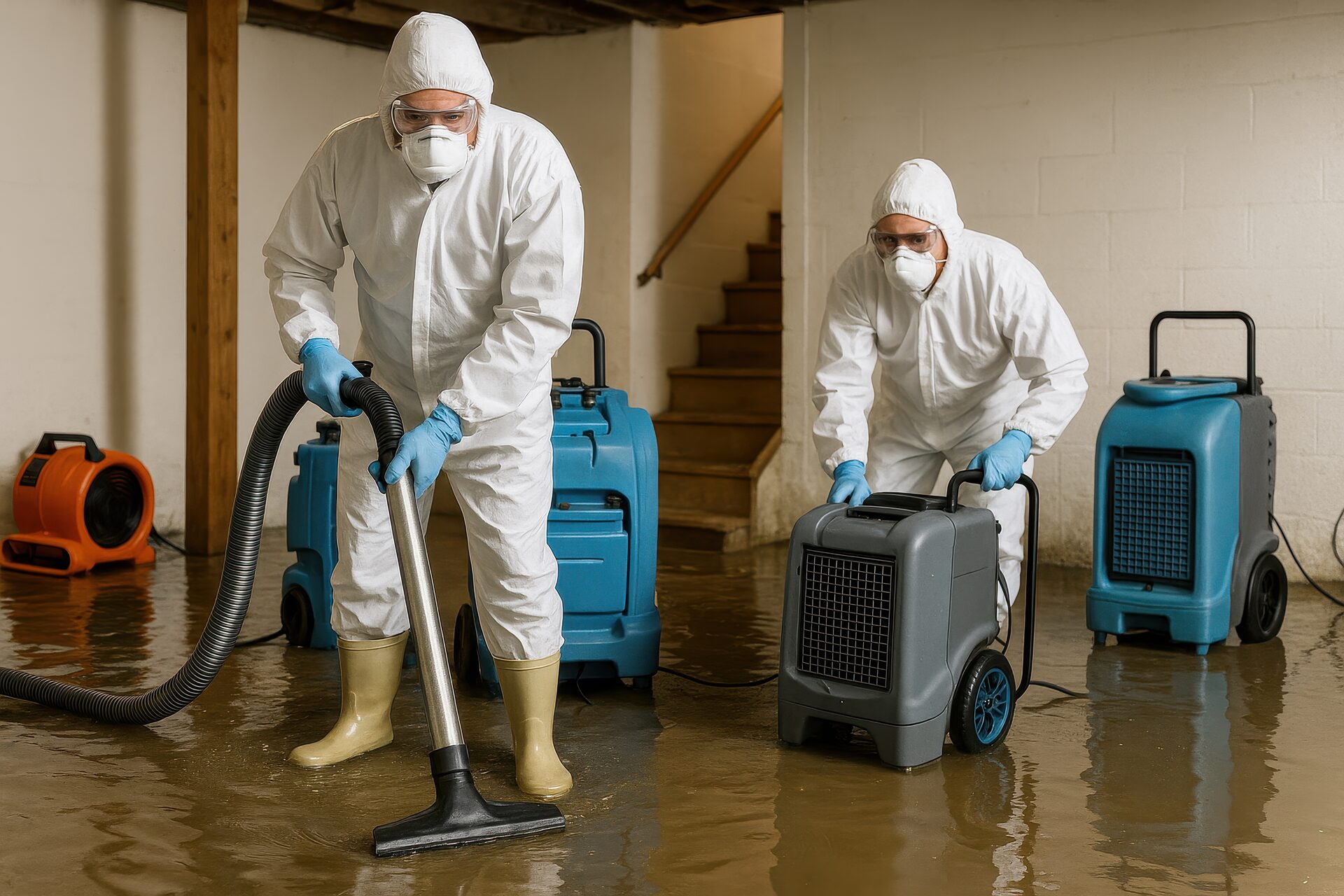
Professional mitigation may require extraction equipment, air movers, dehumidifiers, and moisture monitoring.
The number of machines and length of drying time should be based on the conditions of the property and the materials affected rather than a one-size-fits-all package.
It is important to distinguish between the cost to mitigate the water damage and the cost to rebuild the affected areas.
Mitigation can include extraction, demolition when needed, drying, and cleaning. Reconstruction can include replacing drywall, flooring, paint, trim, cabinetry, and other finishes.
An estimate that only covers mitigation may not represent the complete cost of restoring the property.
Insurance coverage depends on the policy and cause of loss. Certain sudden and accidental water events may be covered, while flooding, maintenance issues, or long-term leakage may be treated differently.
Homeowners should speak directly with their insurance carrier regarding coverage. A restoration company can document the work and damage but does not make coverage decisions.
The most reliable way to understand restoration cost is to inspect the affected property. A professional can evaluate moisture levels, determine which materials are involved, and develop a scope based on actual conditions.
Be cautious about relying on a generic online price when the extent of the water intrusion has not been evaluated.
Water damage restoration costs in San Diego vary because every loss involves a different combination of water source, affected materials, drying requirements, and repairs. The most useful estimate is one based on a thorough assessment of your specific property.
Crisp Restoration serves homeowners throughout San Diego County with water extraction, structural drying, water mitigation, and water damage restoration services. If your home has been affected by water, an on-site assessment can help establish the scope of work and the next steps toward restoring the property.


© Crisp Restoration 2026. All Rights Reserved.
.svg)


.webp)
